Category: How OMG Blog

  • Staircase to the Moon, Broome Western Australia

    Staircase to the Moon, Broome Western Australia

    Where else can you go for a stunning visual display that looks like you can take a step out onto the ocean and climb right up to the Moon?

    There is a phenomenon best visualised in Broome, in the Kimberley region of Western Australia, where you can witness this beautiful natural event.

    You can see the Staircase to the Moon on for three days during the Australian winter months, from April through October.

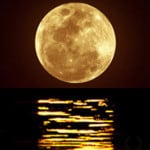
    The Moon slowly rises above the ocean and paints golden light on the mudflats just off Roebuck Bay. You can view this spectacle from Town Beach.

    How Does it Happen?

    So just what happens to make this such a singular experience?

    If you come to the beach ahead of sunset, you will be able to watch the Moon rise slowly above the horizon.

    Staircase to Moon Broome

    As it rises, it touches different parts of the mudflats and leaves them glowing, a bit at a time.

    It’s caused by the receding tide combining with a rising full moon for a beautiful sight the likes of which you will not see in other parts of the world.

    Besides Roebuck Bay in Broome, you can also stop at Hearson’s Cove in Pilbara for a look at this magnificent optical illusion.

    You can also see it at Cooke Point in Port Hedland, the Lookout at Cossack, and Sunrise Beach in Onslow.

    The geography of these areas—and Roebuck Bay is our recommended site for viewing this event—boasts a tidal range that exposes quite a bit of the mudflats, up to 160 square km. The tidal range measures the difference between the exposure of land at low tide compared with the water level at high tide.

    It is the light of the full moon reflecting off these exposed mudflats as the Moon rises over the water that creates the phenomenon. The rippling effect of the mudflats enhances the light of the Moon as it plays over their surfaces.

    Different Times

    Some people remark on the difference in the time of moonrise from one night to the next to the last. However, while there is much that is unusual about this event, the gap in moonrise times is pretty typical. No matter where you live in the world, the Moon may rise at one time one night and then as much as an hour later the next night.

    What Will You See

    Reports of the Moon’s appearance as it rises vary. Some insist that it’s a huge, glowing red orb. Others have posted photographs of it in all its golden beauty.

    At any rate it will peep above the horizon timidly and ascend slowly. Once it edges above the horizon, however, most people agree that it gives a huge, majestic appearance against the darkening night sky. As it gets higher and higher, it will create the optical illusion that makes you feel one with nature.

    Enjoy the Local Community

    Some visitors report a festive throng of people there to view the event amidst the bustle of local markets selling food, drink—and their wares. Others tell of quieter evenings without the noise of any commercial interference. You can check with the local visitors centre to find out what might be happening on the night you plan to attend.

    No matter what type of atmosphere you’re hoping for, bring a beach chair and a camera. You don’t want to miss it, because it might be ages until you get to see the Staircase to the Moon again.
  • Car Hire in Broome Western Australia

    Car Hire in Broome Western Australia

    Choosing the Right Car For Your Vacation

    What kind of transport will do the trick if you’re exploring Western Australia and you need a car hire?

    Car Hire in Broome

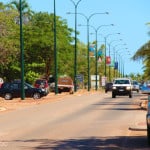
    Hamersley Street down from the Court House

    Broome is a great place to visit because it’s big enough to offer just about everything you want in a vacation place.  It’s strategically positioned as a good launching place if you’re aching to visit the vast, beautiful lands of the Kimberley.

    Arriving in Broome

    You’ll find Broome situated on a peninsula that runs vertically, north and south. Both sides of the peninsula offer you many exciting places to travel and wonderful sights to see, with all three borders surrounded by water. You can fly in via the Broome International Airport and arrange a car hire for Broome right at the airport. The airport, by the way, is at the northwest corner of the peninsula, so once you choose a vehicle you have the rest of the area to the south awaiting you.

    The good news is everything is within a 15 minute drive unless you have a Dampier peninsula trip planned.

    Let Your Destination Be Your Guide

    In making your decision on a rental vehicle, you must consider where you’re going.  Most agencies have several types of cars or four-wheel-drive vehicles available. Your choices start with a typical passenger vehicle like the Holden Barina or a Toyota Corolla, which holds five passengers.

    Those types of vehicles are best for traveling on sealed roads, if you like to do a lot of sightseeing and shopping in the main areas. If you’re traveling in the dry season, expect to pay about $58 to $68 per day. In the wet season—say, November, for example—you’ll pay about $5 less per day.

    One of these vehicles makes a good choice if you just want to golf at Roebuck Bay, but if you plan on driving out along the Bay’s alluring beaches you’ll need something more robust.

    The same holds true if your destination is exciting, pristine Cable Beach. There you will find 22 kilometres of sparkling white sand for your pleasure.

    It’s also home to one of the world’s most famous secluded nude beaches, but there are also stretches where clothing is worn. Instead of a traditional car hire, Broome in this area requires a sturdier choice, something that travels well off the road. Four-wheel-drive vehicles make it possible to drive pretty far out on the beach during low tide.

    It’s a good idea to ask the car rental agent about the area you plan to visit. For example, at times 4WD vehicles are temporarily banned in order to protect the flatback turtles that breed there.

    Most car hires in Broome offer a variety of four-wheel-drive (also identified as 4×4 or 4WD) vehicles.  You’ll find that a Suzuki Jimny, for the person who likes manual drive, holds four people in crisp air-conditioned comfort. A Suzuki won’t cost much more than a Corolla.

    Traveling the Great Northern Highway south of Broome, toward the Eighty-Mile Beach perhaps for some of the most spectacular sunsets off the Indian Ocean, a 2WD car hire from Broome will do the trick. The roads aren’t sealed from the Great Northern Highway turn off to80 mile beach but they are suitable for a vehicle less rugged than a 4WD.

    Most places will offer something like a Toyota SUV with automatic transmission if that’s your preference, which holds five. Expect to pay $89 for a 4WD of that size.  As with most rentals, you’ll pay about $5 more per day in the height of summer and you’ll pay $5 more if you hire the vehicle for a day rather than for a week. They’re great for going to more out-of-the-way places like a drive south, down to Miniyirr Park, if you’d like to steep yourself in the culture of the Aborigines.

    Ask For Value-Added Deals

    There are many self-drive packages available so that you can hire a car for a day or more with extras included. Ask your dealer what type of mileage per day is free with specific car hires. In addition, you might get some tickets to specific attractions such as Willie Creek Pearl Farm—keep in mind that it’ll cost you $10 more per day in high season.

    Another special deal that comes with a car hire in Broome is a trip to Cape Leveque, where you can stay in a safari tent. You can rent something like a Toyota Prado that seats as many as eight people, have unlimited mileage, and enjoy two nights’ accommodation in the tent. Other deals might provide a car rental and also a ticket for a camel ride.

    In the end you really need to plan your trip before you decide on a car hire.

    Broome offers so much that your choices are endless. When you query rates be certain that all taxes and fees are included.

    Talk to the car hire agent for advice or updates on local conditions at any given time, and you’ll be on your way to having a wonderful adventure.

    Alternatively, consider a scooter or bicycle hire as everything you need to soak up Broometime really is within a 10km radius.

    For everything you need to know about Broome, make sure to visit the Broome Tides blog.

  • Cable Beach in Western Australia

    Cable Beach in Western Australia

    Take a Stroll Along…Scenic Cable Beach

    Cable Beach stretches along the shores of Western Australia where Broome meets the Indian Ocean.

    The sand is pristine, because the tides come in every day to wash it clean.

    The sunsets are spectacular, because the crystal clear turquoise waters conspire with the flat perfect beaches to showcase the sun as it dips low in the sky.

    Cable Beach Sunset

    Once you come to Broome and Cable Beach, you won’t want to leave.

    The beach itself stretches along for 22 kilometres, and when the tides come in they can reach as high as 9 metres. The place takes its name from the historical laying of telegraph cable that joined Broome and Java way back in 1889. Ever since, it’s been a lively place where people from all parts of the world convene, mixing with the locals, to celebrate one of the most beautiful places on earth.

    The Beach Sunset

    It has to be true that one of the most popular activities is taking a drive down to the beach at sunset with a bottle of bubbly to see the sun do her glorious daily thing.  The beach is wide and the sand is hard, so it easily accommodates the tourists driving down in their vehicles to drink it all in. Folks who have shared this experience talk about the camaraderie unique to the area that binds everybody together.

    If you visit between March and October, plan your trip for the dates when the full moon will occur. For three days during that time when the tide ebbs to its lowest, the play of light from the moon onto the ocean creates the visual trick of a staircase ascending from the ocean to the moon. This phenomenon is called the Staircase to the Moon and is visible over Roebuck Bay.

    Camels on the Beach

    For many people, the real reason to visit Cable Beach is the opportunity to ride a camel along the amazing shoreline. There are several tour operators that can schedule you with one of their friendly animals for a pre-sunset trek, and even if you’re a little hesitant about riding an animal as large as a camel, it’s worth your time to come to the beach just to see the caravan as it passes by at sunset.

    Most of them will take your photo at no charge, and some of the tours offer props along with full catering services to let you feel the magic of an Arabian-style dinner.

    And Lots More!

    You’ll find some interesting sights along the beach, with the tide pools that capture the occasional octopus or other sea-dweller; when they land there they simply wait for the next time to come and carry them back out to the ocean. Another kind of unusual sight might be the nude sunbathers that bask in the sun on the northern shores of Cable Beach; it’s one of the most popular nude beaches in the world.

    Cable Beach is safe for swimmers most of the time, but you’ve got to watch out for the Irukandji jelly fish that swim in the waters during the wet season. However, people who have reported crocodiles or sharks anywhere near Broome are way off the mark. Great whites avoid the area because the water temperature is too warm for them.

    There only death was attributable to a hammerhead shark, and that was in out in rather deeper waters. Crocodiles are never usually seen on the beach areas and if they are they are usually just swimming between mangrove inlets.

    Yet only 15 minutes from Broome, you can take a side trip to the Malcolm Douglas Wilderness Wildlife Park and Animal Refuge. The entrance is through the mouth of a huge constructed crocodile, and it’s a place where you can see 200 crocodiles as well as bilbies, dingos, kangaroos, cassowaries, and plenty of other wildlife specimens.

    If fishing’s your thing, your luck depends on the time of year and the tides, but fishermen report luck with giant herring, permit, and blue salmon. You can rent a charter at or take a trip to the bay in nearby Broome where tuna, mackerel, trevally, plus lots more have been reported.

    All Kinds of Lodging

    Lodging along Cable Beach offers a full range of accommodation to suit every type of visitor. You might want a luxury resort that offers one, two, or three-room accommodations with en suite outdoor showers and barbecue pits as well as designer pools and day spa on the premises.

    Other places will satisfy singles looking for adventure both on the beach and with a booming night life. Yet additional choices offer caravan park locations, both powered and unpowered, for the traveling visitor or family.

    Cable Beach is only a little over two hours’ travel time by plane from Perth.

    If you’re flying in to Australia from the North, you’ll find Broome’s airport handles tourist groups easily.

    No matter what you like to do, you will find natural beauty, wildlife, and fun-loving people of all cultures at Cable Beach.

  • Broome Pearling History

    Broome Pearling History

    Truth is every bit as fanciful as fiction—an old adage, to be sure—but never truer than when you’re talking about Broome’s pearling history. Men have fought over pearls and used them to buy both legal and illegal goods throughout the ages. What could be more fascinating than these shimmering, smooth, cool gems?

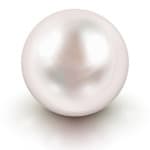
    The pearls of Broome are notable for their characteristic white and silver lustre and are called South Sea pearls.

    Broome White Pearl

    The earliest settlers of Broome who came to the area in the 1860s had their hands full raising sheep. It was not easy, with drought, quarrels with the local Aborigines, and protecting their herds from the cunning dingoes.  It didn’t take long before large oysters were discovered in the water, most notably the Pinctada Maxima measuring up to 30 cm in diameter.  Initially the oysters were valued for the shimmering mother-of-pearl interiors of their shells, and then the worth and abundance of the pearls were discovered.

    By the 1880s there were companies dedicated to outfitting divers in the area. Most of the pearling was done in the Roebuck Bay area, and the pearl divers lived in encampments amongst the sand dunes. Around this time the town was named Broome to honour the governor of Western Australia, and he took some offence to this rough place carrying his name. 

    With the area becoming a place of commerce and with divers from various countries travelling to the area for the pearls, a telegraph cable was laid under the sea from Broome to Singapore, which then connected to England. This served as the inspiration for naming Cable Beach.

    Pearling was a risky business.

    The boats that served as home base for the pearlers as they worked—called luggers—were often tossed about by cyclones. Divers faced the menace of sharks and the dangers of water currents and depth stresses. In the early years of the Broome pearling history most pearlers were Aborigines, and both men and women were jammed onto the luggers. As many as fifty divers would be assigned to a boat. Eventually, the government intervened and banned women from pearling, limited the number of men per boat, and restricted the depths to which the divers could be sent.

    In the early 1900s the pearling industry established Broome as the most suave and multi-cultured city in all of Australia.  Upwards of 400 luggers jammed the waters at the height of the pearling season. Over 80 per cent of all the world’s pearls came from this area. 

    People came from everywhere. Initially they came from the northeast corner of Australia, specifically from Thursday Island north of Queensland. Soon, however, they came from places like Japan, China, and Malay. At its heyday, Broome’s fame spread far abroad into the best parlours of London.

    While many of the buildings from that era no longer exist—they were thrown up hastily and not built to last—there is a cemetery that contains the graves of 919 Japanese divers. Of all divers, the Japanese suffered the greatest number of casualties. It was not because they were inferior divers, but simply because the Japanese came there in such great numbers.

    Broome suffered along with the rest of the world from the Depression in the 1930s, but it stood alone when it was struck in 1935 by a catastrophic cyclone. By the time World War II was underway, the pearling industry was just a ghost of what it had been. Over 500 Japanese pearl divers were interned. Broome became a major refuelling point for military planes and as a result it was also a major target of Japanese Zeros.

    By the end of the war, the Japanese luggers were gone, and the industry flourished once again without their competition. However, the invention of the plastic button in 1950 put another hit on the industry since beautiful lustrous buttons could be made inexpensively from the plastic.

    Once again, however, the industry was revived, as the process became popular for implanting oysters for cultured pearls. These pearls matured in half the time as other pearls and could be grown quite large, up to 18 mm. By the 1970s the Broome pearling industry was once again providing up to 70 per cent of the world’s pearls.

    Today, the biggest industry in Broome is tourism. If you are one of those tourists and you happen to be travelling in the area, there are working pearl farms you can explore. You can hold a pearl in the palm of your hand, and you’ll be gazing down at the history of Broome.